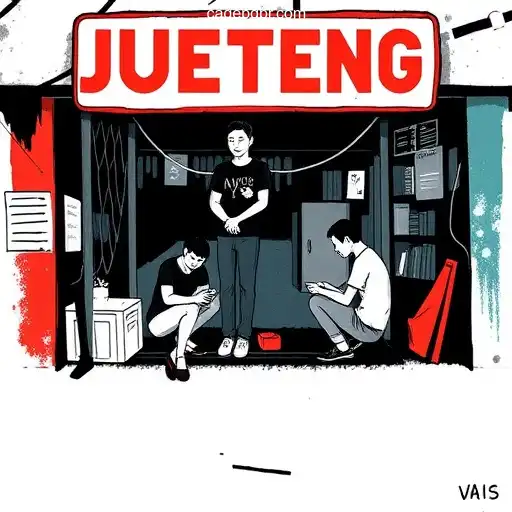
Exploring the Intricacies of Jueteng: The Philippines' Underground Numbers Game
Jueteng, the clandestine game of chance that has taken root in the fabric of Philippine society, continues to thrive beneath the surface of legitimacy, drawing participants from various walks of life. This numbers game, while simple in structure, represents a complex web of societal issues, from poverty and governance to legality and morality that intersect in unexpected ways.
The Origin and Mechanics of Jueteng
Jueteng originated during the Spanish colonial period in the Philippines, with its name derived from the Chinese word "hueteng" meaning "flower" and "eng" meaning "game". Originally conceived as a diversionary pastime, Jueteng has since become a significant part of Filipino culture.
The mechanics of Jueteng are straightforward: players select a combination of numbers—usually two—hoping to match those drawn by the organizers. Similar to a lottery, winners receive a payout proportional to their bet amount, often several times their initial wager. It thrives on minimal investment from participants, making it accessible to even the most financially strapped individuals.
The Socio-Economic Impact of Jueteng
For many Filipinos, Jueteng is more than just a game; it is a fleeting chance at financial gain. In communities plagued by poverty, where economic opportunities are scant, the promise of a Jueteng win provides hope—albeit slim—of a brighter future. However, this comes at a cost, as the game perpetuates a cycle of dependency and false hope.
Beyond its impact on individuals, Jueteng plays a significant role in the informal economy. It creates jobs, albeit illegal, ranging from the humble collector to the more influential operators. Despite its illegality, Jueteng money circulates within communities, fostering a semblance of economic activity.
The Nexus Between Jueteng, Politics, and Corruption
One cannot discuss Jueteng without addressing the pervasive political implications. Historically, Jueteng has been intertwined with Philippine politics, often acting as an unofficial financier during elections. Politicians, in turn, protect these gambling operations in exchange for financial support, creating a complex matrix of corruption and patronage.
This reciprocal relationship between politicians and Jueteng lords undermines efforts to eradicate the illegal numbers game. Attempts at regulation are thwarted by the very officials entrusted to uphold the law, making Jueteng an almost untouchable entity in some regions. The political shield provided to Jueteng operators facilitates its persistence despite repeated crackdowns.
Efforts to Curb Jueteng
The Philippine government has made several attempts to combat Jueteng, employing both legal and community-based strategies. High-profile raids, arrests, and media campaigns form part of this strategy, with limited success. The sheer adaptability of the Jueteng network, akin to a resilient organism, ensures its survival despite these efforts.
In contrast, proponents of regulated gambling argue that formalizing and taxing Jueteng could bring it under legal oversight, thereby reducing its criminal associations. Legal alternatives like the Philippine Charity Sweepstakes Office (PCSO)'s operations offer a blueprint, balancing public revenue with entertainment demand.
This discourse on regulation introduces parallels with the online gambling world, as seen in platforms like CagePG Brasil: O Melhor Cassino Online e Apostas Esportivas. While legal, these platforms offer insights into how structured gambling markets function and maintain compliance, providing potential lessons for redirecting Jueteng's societal role towards transparency and legality.
Jueteng and Cultural Resilience
The persistence of Jueteng is, in many ways, a testament to cultural resilience. It embodies adaptability and ingenuity amidst adversity, drawing parallels with folk traditions that evolve with time yet retain their core identity. Jueteng reflects the everyday Filipino's struggle, aspirations, and willingness to embrace even the slimmest chance of a better tomorrow.
Its integration into daily life illustrates a pragmatic acceptance, where legality blurs into the realm of survival. Its players, many of whom are ordinary citizens, often defend it as a necessary evil—a social equalizer in an unequal world. Thus, Jueteng remains as much an enigma as it is a fixture within the cultural landscape, challenging both its critics and champions to ponder its paradoxical existence.
The Road Ahead: Rethinking Jueteng's Place in Society
The path forward for Jueteng remains ambiguous, marred by the inequities it both draws from and contributes to. As long as poverty persists, so too will the allure of Jueteng. However, a shift in perspective—from eradication to transformation—could offer innovative solutions.
Integrating lessons from regulated gambling and community education could redefine Jueteng's role, ensuring it fosters rather than fractures society. Legal frameworks can learn from and adapt strategies pioneered by platforms such as CagePG Brasil: O Melhor Cassino Online e Apostas Esportivas, envisioning a structure where entertainment and legality coexist.
Ultimately, Jueteng's story is one of conflict and compromise, charting a course between tradition and modernity, legality and necessity. Whether viewed as a cultural artifact or social ill, it compels a nuanced exploration of the gam's impact, rooting any future discourse in empathy and understanding of its deep-seated role in Filipino life.